
Fairtrade Fortnight 2026: Why Fair Trade Clothing Matters
Why Fair Trade Matters Beyond Your Cup of Coffee!
Fairtrade Fortnight 2026 - Fair Trade clothing brand Jenerous
Fairtrade Fortnight 2026 runs from 21 September to 4 October, and this year’s message is simple: Do It Fair.
But what does Fairtrade actually mean? And when we think about Fairtrade, why do we so often think about bananas, coffee, tea and chocolate, but not the clothes hanging in our wardrobes?
At Jenerous, Fair Trade is at the heart of what we do. We believe that the people who make our clothes deserve to be treated fairly, paid fairly and work in safe and supportive environments.
Because when we buy something, we’re not just buying a product. We’re supporting the people and communities behind it.
Fairtrade Fortnight 2026: Do It Fair
This year, Fairtrade’s campaign is centred around three simple ideas: People. Planet. Pay.
The Fairtrade movement is shining a light on the people behind the products we buy, the planet that provides the resources we depend on, and the importance of fair pay.
The message for Fairtrade Fortnight 2026 is “Do It Fair” — encouraging all of us to think about the choices we make and how we can support a fairer future for people and planet.
And we think that’s a pretty important message for fashion too. Because we all wear clothes. So, who made yours?
What is Fair Trade?
Fair Trade is about making trade fairer for the people behind the products we buy. It aims to create better trading conditions, protect workers’ rights and support producers to build more secure and sustainable livelihoods. Fairtrade has standards covering social, economic and environmental issues, with requirements for farmers, workers, businesses and others involved in Fairtrade supply chains. Fairtrade products are also checked through an independent certification system.
One of the things that makes Fairtrade particularly important is that it isn't simply about paying a little more for a product. It is about changing the way trade works. For farmers, Fairtrade can provide a Fairtrade Minimum Price as a safety net, alongside a Fairtrade Premium which producers can use to invest in things that matter to their communities. And this is why Fairtrade has become so well known for products like coffee, bananas, tea and chocolate.
But there is another industry where fairer trade is desperately needed…Fashion.
Fairtrade isn't just about bananas, coffee and chocolate
When you walk into a supermarket, you might already know to look for the FAIRTRADE Mark on your coffee, bananas or chocolate. But what about when you buy a dress? Or a T-shirt? Or a pair of trousers?
Behind every piece of clothing is a long supply chain involving farmers, spinners, dyers, cutters, machinists and many other workers. Cotton has to be grown and harvested. It may then be spun into yarn, woven or knitted into fabric, dyed or printed, cut and finally sewn into the clothes we wear. And every person involved in that process deserves to be treated fairly.
Fair Trade has standards specifically for the textile industry, covering areas such as working conditions, workers' rights, health and safety and living wages. The current Fairtrade Textile Standard also includes requirements around working hours, employment contracts, workplace safety and environmental practices.
So Fair Trade clothing really does matter.
Why is Fair Trade important in fashion?
The fashion industry is enormous, and much of the world's clothing is made in countries where garment workers can be vulnerable to low wages, insecure employment and poor working conditions. The people making our clothes can easily become invisible. We see the finished dress hanging on a rail. We see the price tag. We see the brand name. But we don't always see the person who sat behind a sewing machine making it.
At Jenerous, we think we should. We want to know who makes our clothes, where they are made and how the people making them are treated. That's why we work with Fair Trade factories and suppliers in India and we believe that fair work should be the norm in fashion, not the exception.
What makes Jenerous Fair Trade clothing different?
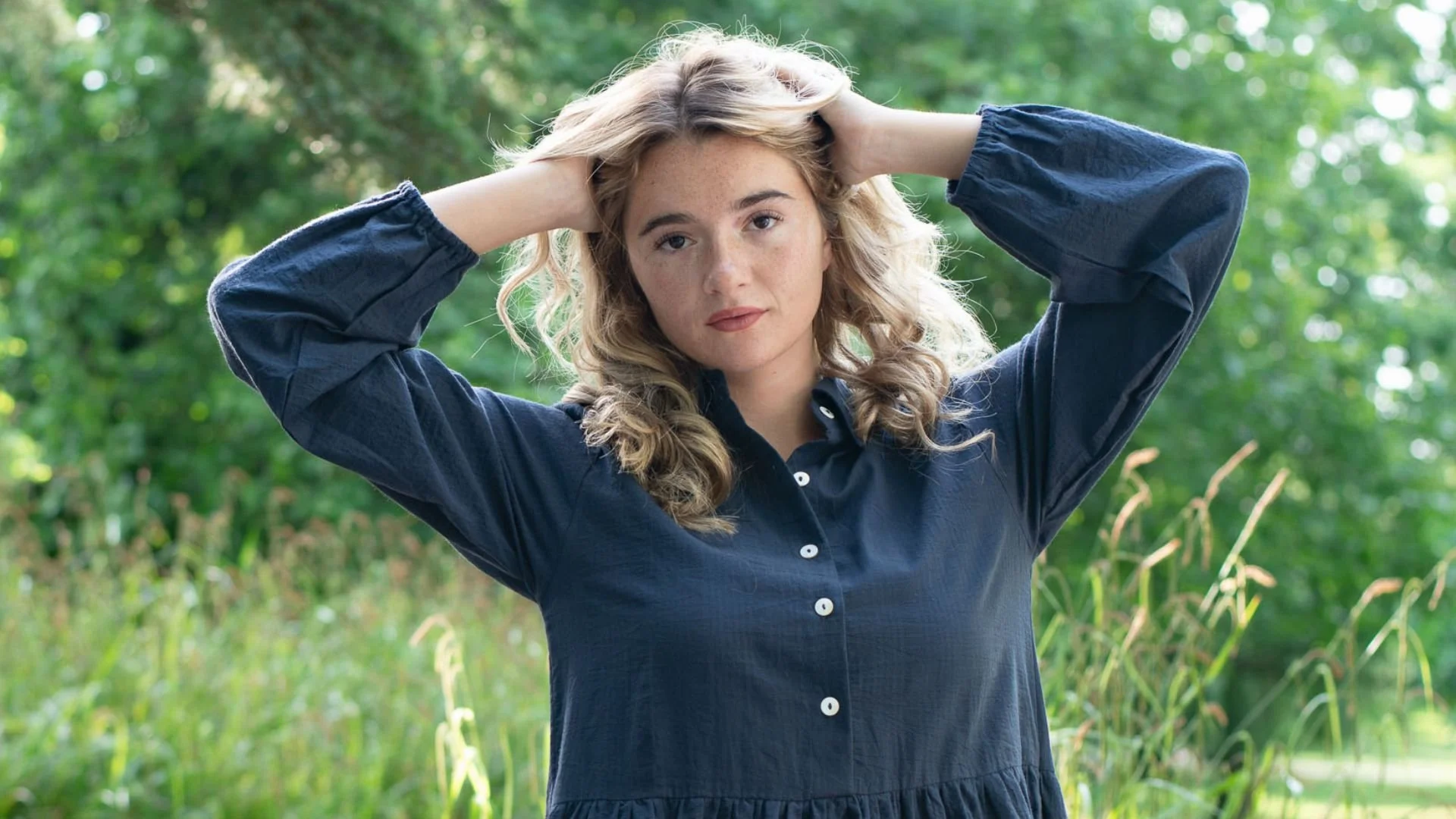
Jenerous Fair Trade clothing - Navy Maxi Cotton Shirt Dress
For us, Fair Trade isn't something we add to our clothing afterwards as a marketing message. It is part of the reason Jenerous exists.
Our clothing is made in small Fair Trade factories in India and Nepal, and we work with Fair Trade enterprises that share our values around fair pay, safe working conditions and empowering people through employment. We're also proud to be a WFTO First Buyer and a member of BAFTS Fair Trade Network UK.
The World Fair Trade Organisation's approach is about putting people and planet before profit, and its 10 Principles of Fair Trade provide a framework for ethical and responsible trading. But our commitment doesn't stop with the people making our clothes. We also think carefully about the fabrics and processes we use.
The majority of our collection is made using sustainable fabrics such as organic cotton, and we work with artisan block printers using eco-friendly dyes. We also use deadstock and stock fabrics where possible, helping to make use of fabric that has already been produced rather than allowing it to go to waste.
And because Jenerous is a social enterprise, every purchase gives back too.
Fashion that gives back
Jenerous - A Fair Trade clothing brand giving back and changing lives
One of the things that makes Jenerous different is that our mission goes beyond making ethical clothing. We set up Jenerous with a purpose: To change lives through fashion. As well as creating fair and empowering employment through our supply chain, we give back from our sales to support communities in India.
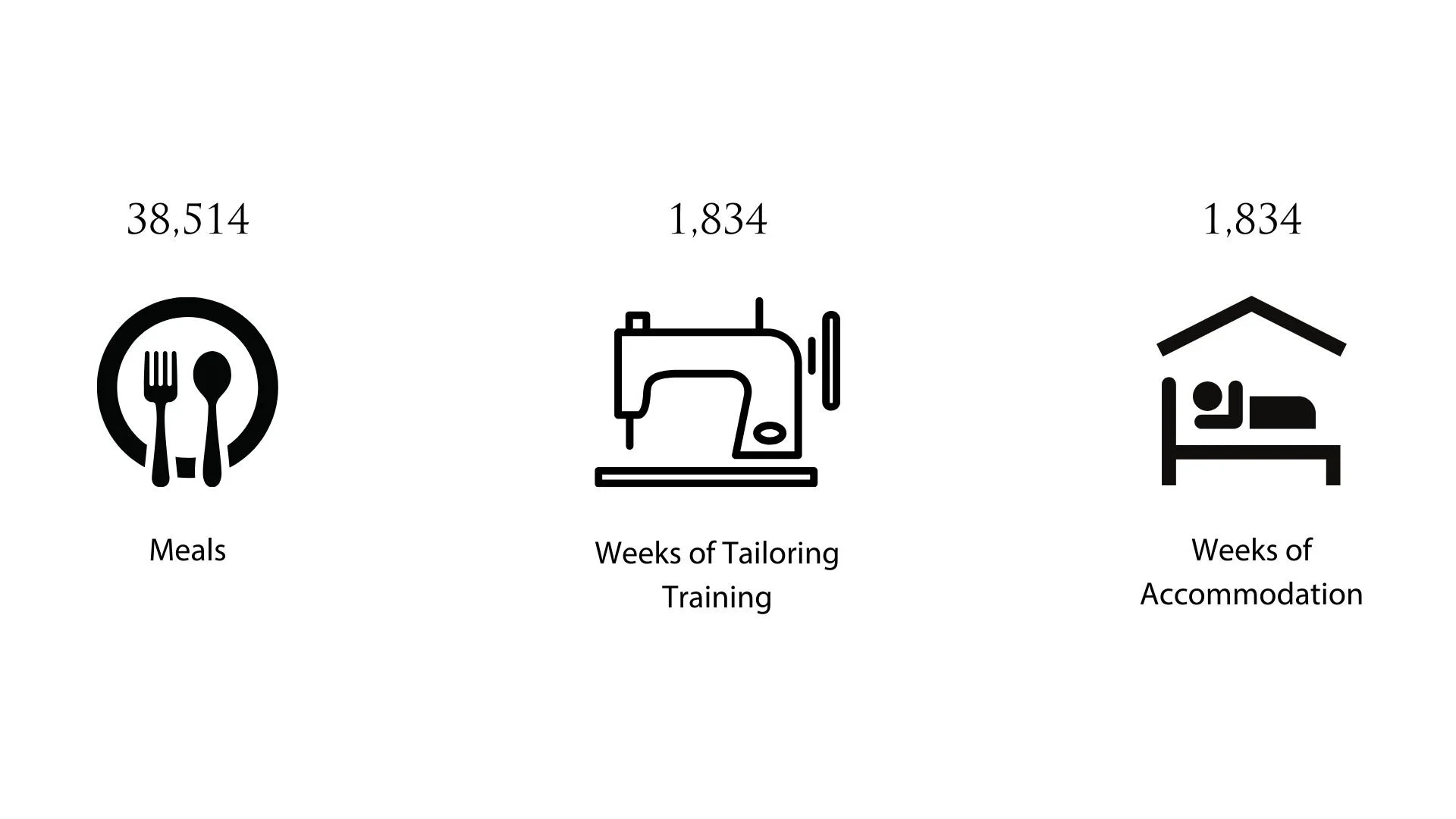
One of the projects we support is The Leprosy Mission's tailoring training programme, which provides young people affected by leprosy with the opportunity to learn tailoring skills and build a future for themselves. To date, Jenerous has funded 1,834 weeks of tailoring training, helping 35 young people complete a 12-month tailoring course.
So when you buy a Jenerous dress, skirt, top or accessory, you're not simply buying another item of clothing. You're helping to create a fairer fashion industry. You're supporting fairtrade and the people who make your clothes. And you're helping someone else gain skills and opportunities for their future.
Fair Trade fashion and sustainable fashion go hand in hand
We often talk about ethical fashion, sustainable fashion and Fair Trade fashion as though they're all the same thing. They're not quite the same. Sustainable fashion asks questions about the environmental impact of what we wear. Ethical fashion looks at the wider social and ethical impact. Fair Trade focuses on creating fairer trading relationships and better conditions for producers and workers.
At Jenerous, we believe we need to think about all three. A garment isn't truly sustainable if the person who made it isn't treated fairly. And we don't think beautiful clothing should come at the expense of people or the planet.
This Fairtrade Fortnight, let's think beyond the supermarket
Fairtrade Fortnight is a great opportunity to look at the labels on the food we buy. Choose Fairtrade coffee or banana. Look for Fairtrade chocolate. But perhaps this year we can take that one step further. Look at your clothes too.
Ask these questions:
Who made my clothes?
Where were they made?
Were the people who made them paid fairly?
Do they work in safe conditions?
Every purchase is a choice. At Jenerous, we believe our choices can be a force for good. We believe fashion can create jobs, provide opportunities, support communities and help people build better futures. And we believe we can look good while doing good too!
So this Fairtrade Fortnight, let's Do It Fair. For People. For Planet. For Pay. And let's remember that Fair Trade isn't just about what's in our shopping basket.
It's also about what's in our wardrobe. Not just this fortnight but all year round.
Because fashion should change lives for the better.
That's why we created Jenerous.